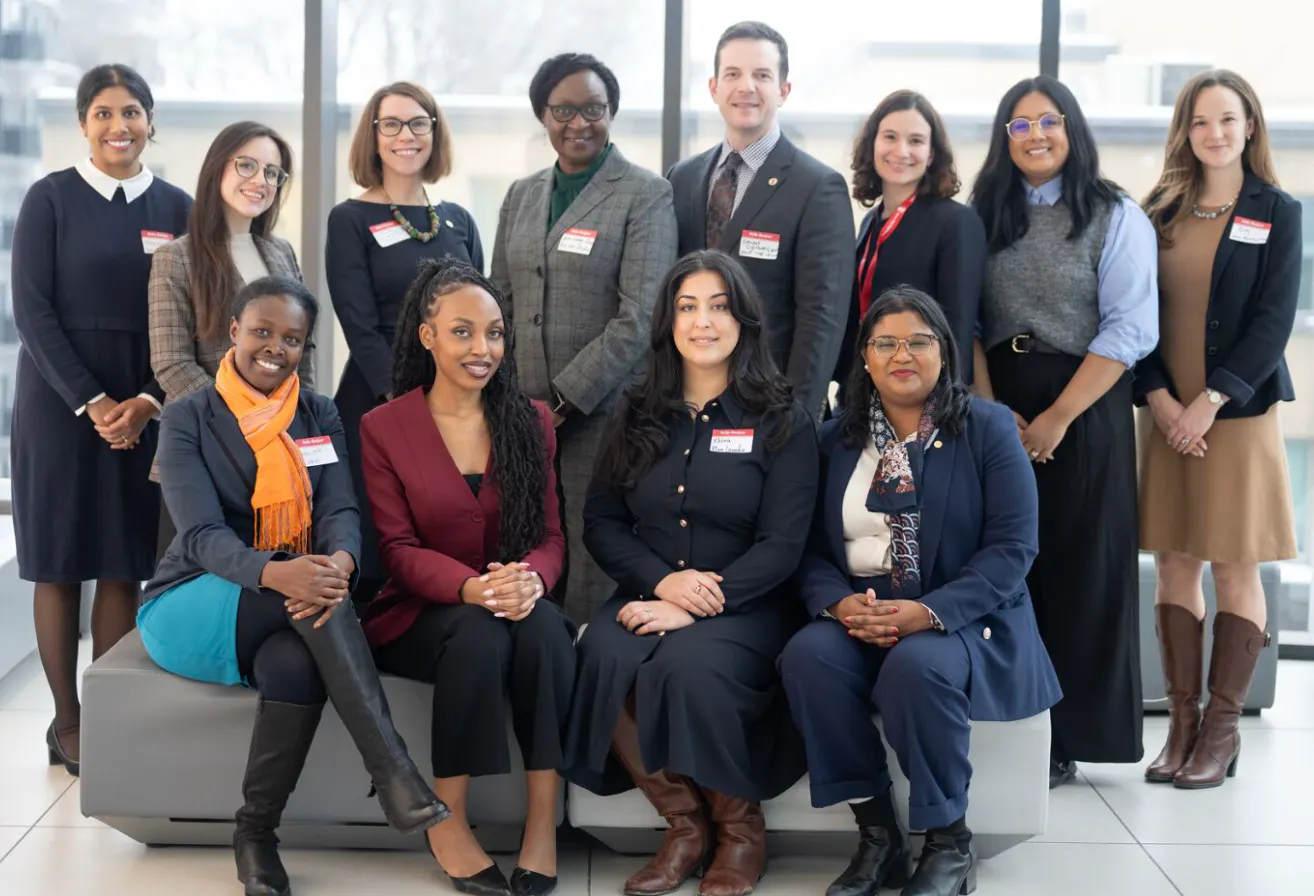
Earlier this month, I had the honour of representing Plan International Canada during International Development Week for a private film screening + panel event organized by Plan International Canada, Save The Children International, and Girls Not Brides about ending child marriage for the soon-to-be-released film: Nawi- Dear Future Me. This opportunitiy arised through my role as a youth ambassador for Plan Canada's Girls Belong Here Program.
As an aspiring international human rights lawyer, I hold advocacy work advancing gender equality and youth voices, whether at the domestic or international level, very near to my heart.
The film Nawi showcases the heartbreaking journey of Nawi, an intelligent, courageous young girl in Kenya who is forced into child marriage as per family traditions and expectations, instantly demolishing her dreams and academic aspirations. Watching this film, coupled with preparation for this panel, reinforced to me how this wasn't only Nawi's reality, but that of millions of girls worldwide. According to Plan International's 2025 report on child, early, and forced marriage (CEFM), "over 650 million women and girls around the world have been forced into marriage before they were ready." This reality is not only incredibly difficult to come to terms with, but also eye-opening.
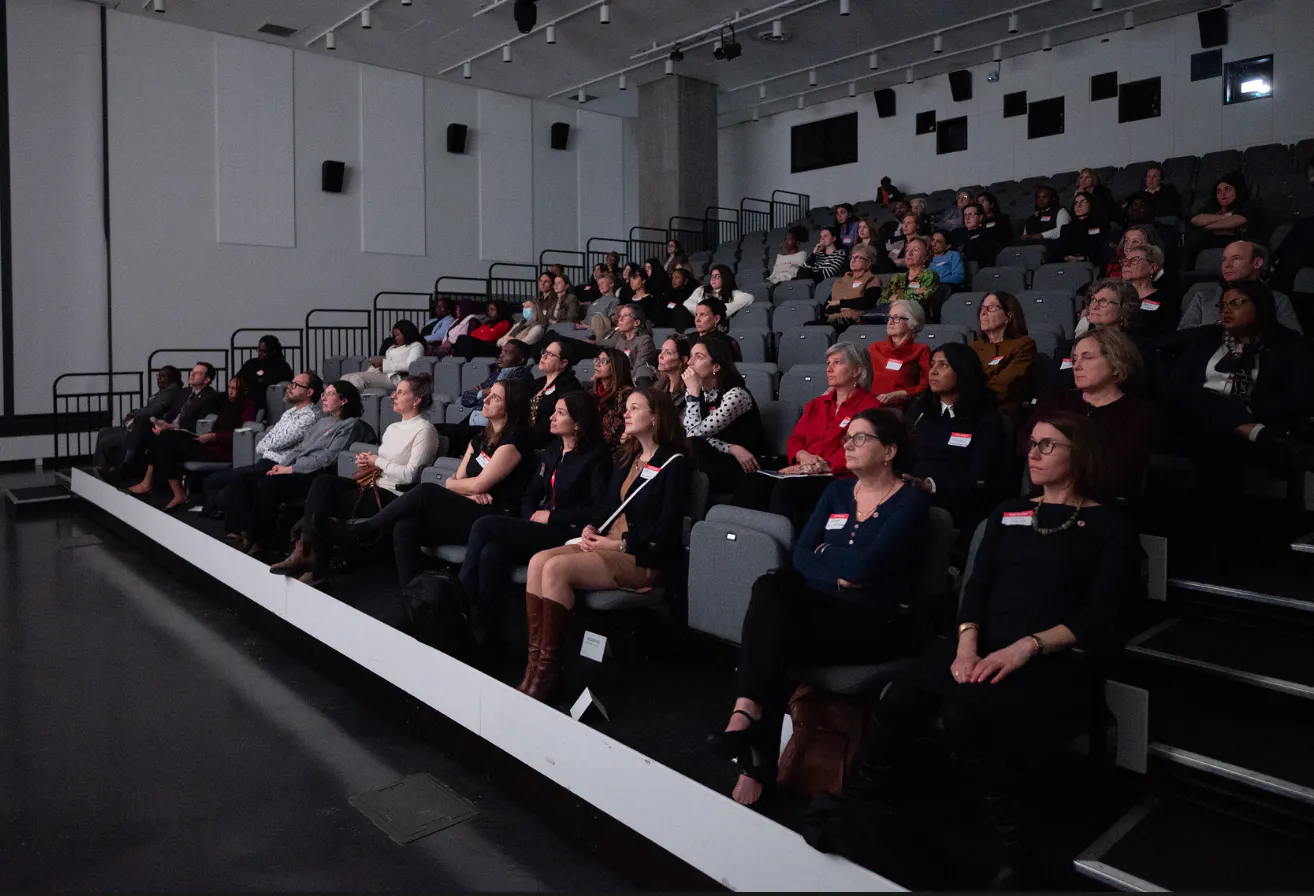
I carried my emotional inclination and passion for this issue into insights that I shared on the panel discussion alongside the CEO of Save the Children Canada, Danny Glenwright, the screenwriter of Nawi- Dear Future Me, Milcah Cherotich, and our lovely moderator and CEO of Girls Not Brides, Dr. Faith Mwangi Powell.
The room was filled with Members of Parliament, such as Karina Gould, global and domestic policy makers, and CEOs. Despite these powerful and impressive titles, every single person in the room carried a level of compassion and determination to advance women's rights not just within Canada, but globally, which was very impactful for me to witness as a youth advocate.
As we move forward, I implore every youth leader who is reading this post to think about ways they can directly advance the quality of life of the women and girls in their own lives, communities, and countries. Combatting gender inequality is not just the job of one person, organization, or specific group of people. It requires collective, sustained effort on both a nationwide and international scale.
Thank you so much to the entire team at Girls Belong Here who made this opportunity possible for me. And thank you to each of the NGOs, policymakers, and women's rights advocates who came together to place recognition on such an important issue.